
Raising the Standard: Pediatric Neuromuscular Block Guidelines from Evidence to Practice
Recorded March 14, 2026 at SPA-AAP Pediatric Anesthesiology Meeting.
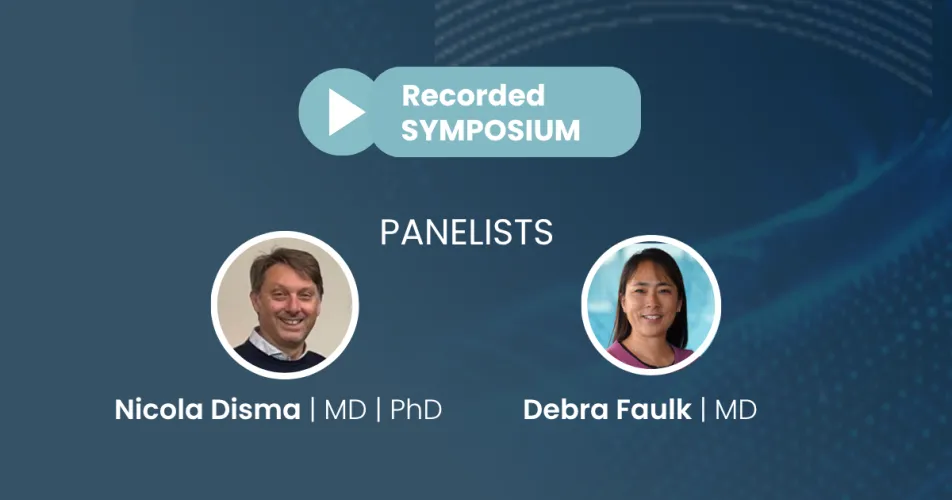
Residual neuromuscular block remains an important patient safety concern in pediatric anesthesia. In 2025, the European Society of Anaesthesiology and Intensive Care (ESAIC) and the European Society for Paediatric Anaesthesiology (ESPA) presented new, evidence-based guidelines emphasizing the role of quantitative neuromuscular monitoring in children.
This symposium featured guideline author Dr. Nicola Disma alongside U.S. pediatric anesthesia thought leader Dr. Debra Faulk.
Together, they reviewed key elements of the ESAIC/ESPA recommendations, examined their clinical implications, and shared practical approaches for integrating these standards into routine pediatric anesthesia practice.
Recorded of live symposium at the 2026 edition of the SPA-AAP Pediatric Anesthesiology Meeting.
Guidelines now recommend quantitative monitoring for pediatric patients, and specifically recommend EMG (electromyography) over AMG (acceleromyography).
Next-Generation TetraGraph and TetraSens Pediatric deliver objective EMG-based quantitative neuromuscular monitoring to help guide precise NMBA dosing and reversal.